
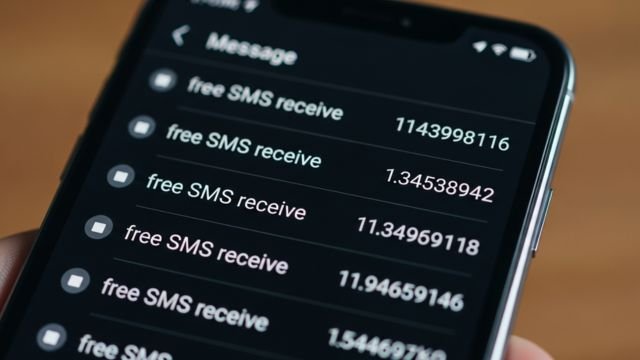

In today’s digital environment, the verification number has become a critical tool for securing online accounts, protecting sensitive information, and confirming user identities. From signing up for apps and online services to resetting passwords and making financial transactions, verification numbers play a vital role in safeguarding user interactions. However, while they are a highly effective security measure, their effectiveness depends on how safely they are used. Adopting best practices for handling verification numbers can prevent unauthorized access, data breaches, and identity theft, ensuring that both users and platforms remain secure.
Understanding the Role of Verification Numbers
A verification number is a unique code sent to a user’s registered phone number, email, or app during authentication processes. Its purpose is to confirm that the person attempting to access an account or service is the legitimate owner. Verification numbers are often used for one-time passwords (OTPs), account registration, multi-factor authentication, and account recovery. Because they are typically time-sensitive and expire after a short period, verification numbers provide a dynamic layer of security that strengthens traditional password protection.
Keep Verification Numbers Confidential
The most important practice for using verification numbers safely is keeping them confidential. Users should never share verification numbers with anyone, even if the request appears to come from a trusted source. Scammers often use phishing tactics, posing as official services to trick individuals into revealing their codes. Sharing a verification number, intentionally or inadvertently, can allow attackers to bypass authentication measures and gain full access to personal accounts. Treating verification numbers as sensitive information, similar to a password, is essential for maintaining account security.
Use Verification Numbers on Trusted Devices
Entering verification numbers should always be done on devices that are secure and trusted. Avoid using public computers, shared devices, or unsecured networks, as these environments increase the risk of interception or malware attacks. Mobile devices and personal computers with up-to-date security software provide a safer platform for receiving and entering verification numbers. Ensuring that the device is free from viruses or malicious software adds another layer of protection, reducing the likelihood of unauthorized access.
Enable Multi-Factor Authentication Whenever Possible
Verification numbers are most effective when combined with other security measures such as multi-factor authentication (MFA). MFA typically requires users to provide something they know, such as a password, and something they have, such as a verification number sent to their phone. This combination significantly enhances account security because even if a password is compromised, the account remains protected by the verification number. Enabling MFA whenever offered by a platform ensures that verification numbers are used in conjunction with other protective measures, creating a more secure digital environment.
Be Wary of Phishing and Scam Attempts
Cybercriminals frequently use phishing tactics to trick users into providing verification numbers. Fake messages or emails may appear to come from legitimate services, urging users to enter their verification numbers on fraudulent websites. To use verification numbers safely, users should verify the authenticity of requests before responding. Never click on suspicious links or enter verification numbers on unverified sites. Platforms themselves should educate users about phishing threats and implement features that make verification requests more recognizable and secure.
Limit the Sharing of Contact Information
Since verification numbers are often sent via SMS or email, the security of the associated contact method is crucial. Avoid sharing phone numbers or email addresses publicly or with untrusted sources, as this can expose verification numbers to malicious actors. Users should also consider using dedicated email addresses or phone numbers for online registrations, separating personal and sensitive accounts from general communications. By controlling who has access to the contact points used for verification numbers, users reduce the risk of interception or unauthorized access.
Monitor Account Activity Regularly
Even when using verification numbers safely, it is important to remain vigilant by monitoring account activity. Unexpected login attempts, unusual transactions, or unrecognized devices should be reported and addressed immediately. Many platforms provide notifications for suspicious activity or failed verification attempts. By keeping an eye on these alerts, users can quickly respond to potential security threats, ensuring that verification numbers continue to serve their purpose as a protective measure.
Use Temporary or Disposable Numbers When Possible
For certain online activities, such as signing up for services that require verification but are not critical, temporary or disposable verification numbers can enhance safety. These numbers provide the same authentication benefits without exposing permanent phone numbers or email addresses. Temporary verification numbers are especially useful for maintaining privacy and reducing the risk of spam or data misuse, while still allowing secure verification during registration or login.
Educate Yourself About Security Practices
Understanding the broader context of online security is essential for using verification numbers effectively. Users should educate themselves on best practices, including recognizing phishing attempts, managing passwords, and identifying suspicious activity. Platforms should also provide guidance on how to use verification numbers safely, helping users make informed decisions and reducing the likelihood of security breaches. Education empowers users to be proactive in safeguarding their accounts, ensuring that verification numbers serve as a reliable protective tool.
Conclusion
Verification numbers are a powerful tool for securing online accounts and protecting personal information. When used safely, they provide an effective layer of protection against unauthorized access, fraud, and identity theft. Best practices include keeping verification numbers confidential, using trusted devices, enabling multi-factor authentication, avoiding phishing scams, limiting the sharing of contact information, monitoring account activity, and using temporary numbers when appropriate. By following these practices, users can ensure that verification numbers remain a secure and reliable method of authentication.
Ultimately, the effectiveness of a verification number depends not just on its technical implementation, but also on how responsibly it is used. By combining awareness, vigilance, and secure habits, users can maximize the safety of verification numbers, protecting their accounts and personal data in an increasingly digital world.